Start here
Session target: check three cards about changes of state.
 Memorizite
Planning a session
A short study session needs a smaller task, not faster reading. Pick one distinction, one process or a few questions, and leave enough time to check the answers before you stop.
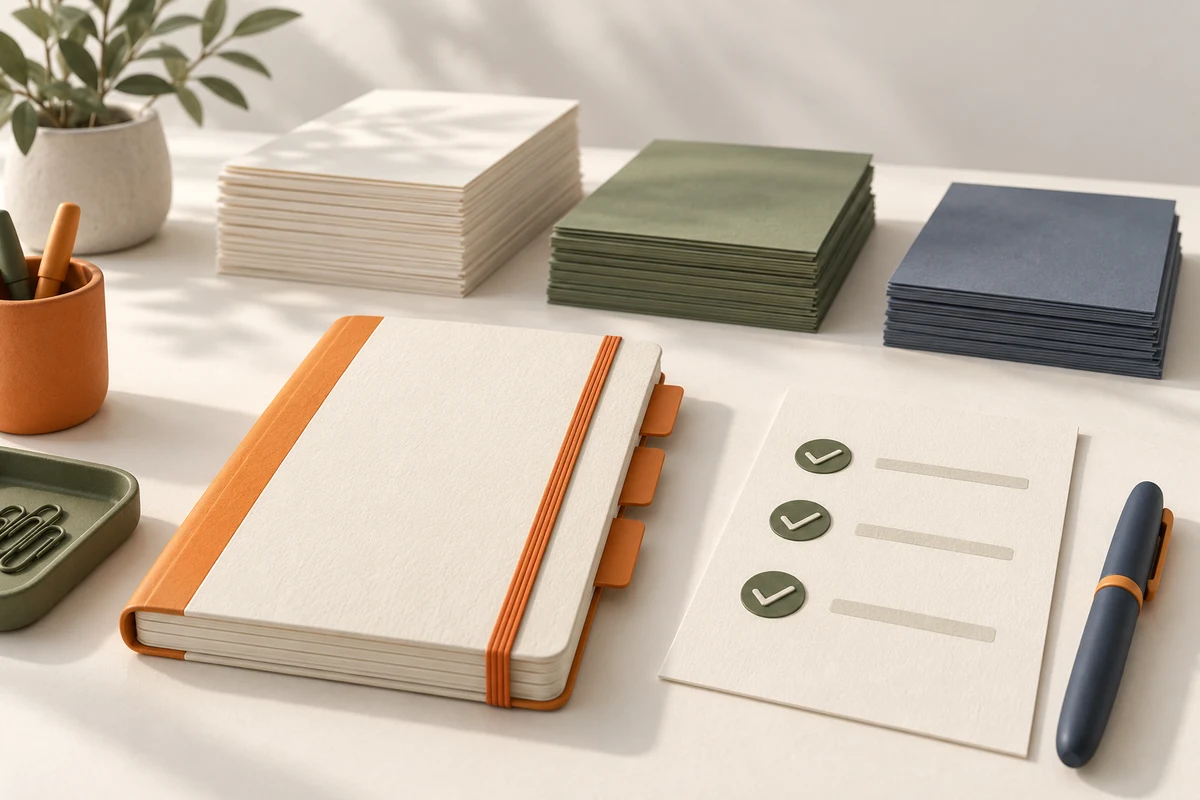
“Study chapter three” can expand indefinitely. “Check five definitions and record the confusing pair” gives the session an inspectable result. Adjust the scope to the material and time available. A fixed number of minutes is not a universal learning prescription, and this guide does not promise that a short session is enough for every topic.
Open the relevant source, choose the questions and remove unrelated tasks from your working area. If you need to inspect a generated question, do that separately from testing your answer. Mixing source repair with recall practice can make it unclear what the session actually checked.
A worked study task
Session target: check three cards about changes of state.
End note: “I mixed up the direction of evaporation and condensation; compare the definitions next.”
The note identifies a specific next task. Three cards are an illustrative amount, not a recommended universal quota.
This is a worked example for the guide, not a screenshot or a ready-made deck. Your generated result will depend on the document you upload.
If you follow a timed routine, use a timer you already have and choose intervals that fit your situation. Memorizite does not provide an automatic study calendar in this guide. After a break, resume with a written next step rather than restarting the whole chapter simply because the previous task is hard to remember.
Write what you answered, what remains uncertain and which source section to revisit. One sentence such as “Compare the two process definitions before making new cards” is more actionable than a vague note to study harder. Keep the next session focused on that issue, then reconsider its scope as you progress.
Memorizite creates practice from your own PDF, TXT or Markdown documents, up to 10 MB. Supported document languages are English, French and Arabic. The card-required 7-day trial includes 10 total scans; available game formats depend on the material. Student and Pro add broader progress features and higher scan allowances.
Keep the original lesson nearby to check generated answers. Plan your own review dates: this workflow does not provide an automatic study calendar, a downloadable summary or a guaranteed exam result.
trial account · 10 total scans during a 7-day card-required trial · check generated answers against your notes.
Start learning